
What does it mean to be modern?
What does it mean to be modern? Modern Conversations explores this question through 100 years of British and international art.
The artworks displayed in these six rooms span the 20th century through to the present day. Throughout this extraordinary ‘modern’ era, industrial growth and technological advancements has transformed daily life. While this rapid globalisation has brought benefits for some, it has also been founded on widespread losses of cultural traditions and rights. The artists raise questions about modern experience, such as: How do we relate to the natural and built environment? What is the experience of inhabiting a human body? What happens when science and technology overturn established beliefs?
Tate St Ives
Level 2, Level 3
Ongoing
Gallery admission required
Entry to both the display and the gallery is free for Tate Members, Locals' Pass holders and under 18s.
Become a member
Denis Mitchell, Turning Form 1959
1/30
artworks in Modern Conversations
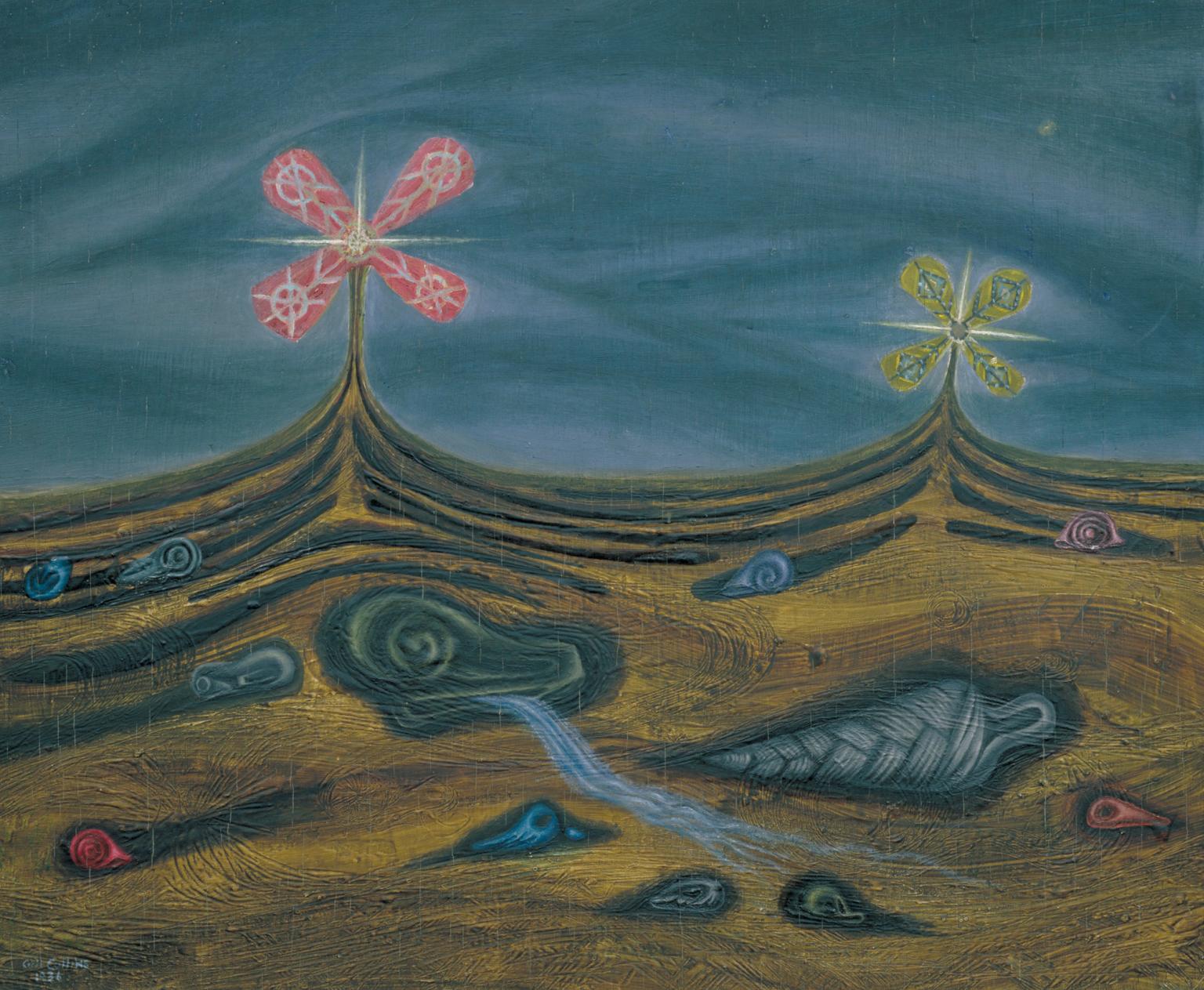
Cecil Collins, The Promise 1936
Cecil Collins often used light and darkness to symbolise the forces of good and evil. This painting depicts the world at night. It shows a section of the seashore, cut open to reveal seeds, shells and chrysalises lying below the ground. Two charges of energy erupt from the Earth’s surface and burst into the sky like radiant flowers. The ‘promise’ of the title refers to the coming dawn, signaling possibilities of birth and growth. Briefly linked with Surrealism, Collins showed a closely related work at the International Surrealist Exhibition in 1936.
Gallery label, January 2025
2/30
artworks in Modern Conversations
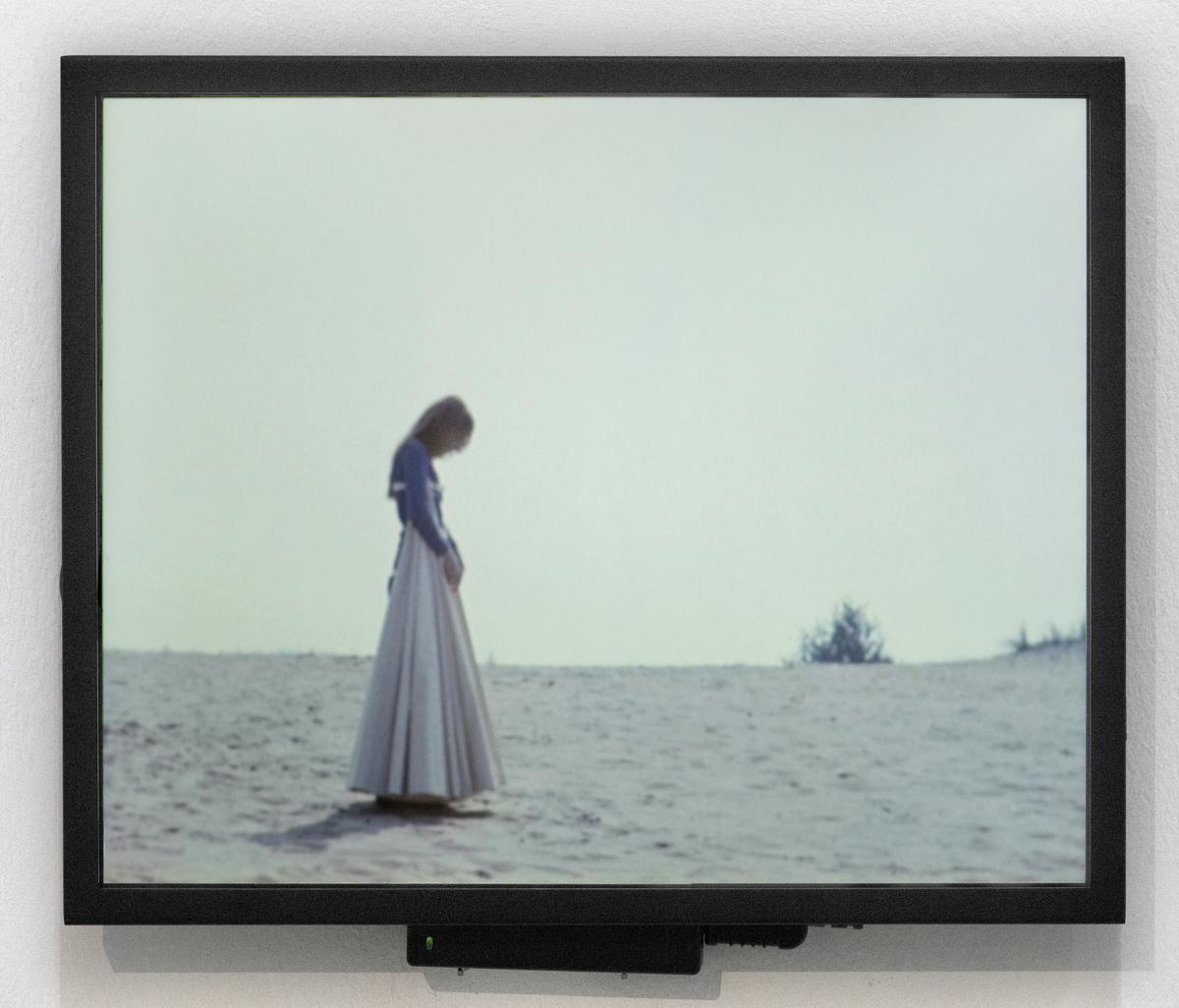
Rebecca Horn, Performances II 1973
Horn designed these ‘body extensions’ for herself and her friends. They limit or expand how a person can move and interact with their environment. These performances were made specifically for the camera. They show how the sculptures change the wearers’ relationship to the surrounding space and to other people. Horn has commented: ‘Looking back at these first pieces you always see a kind of cocoon, which I used to protect myself. Like the fans where I can lock myself in, enclose myself, then open and integrate another person into an intimate ritual. This intimacy of feeling and communication was a central part in the performances.’
Gallery label, May 2019
3/30
artworks in Modern Conversations
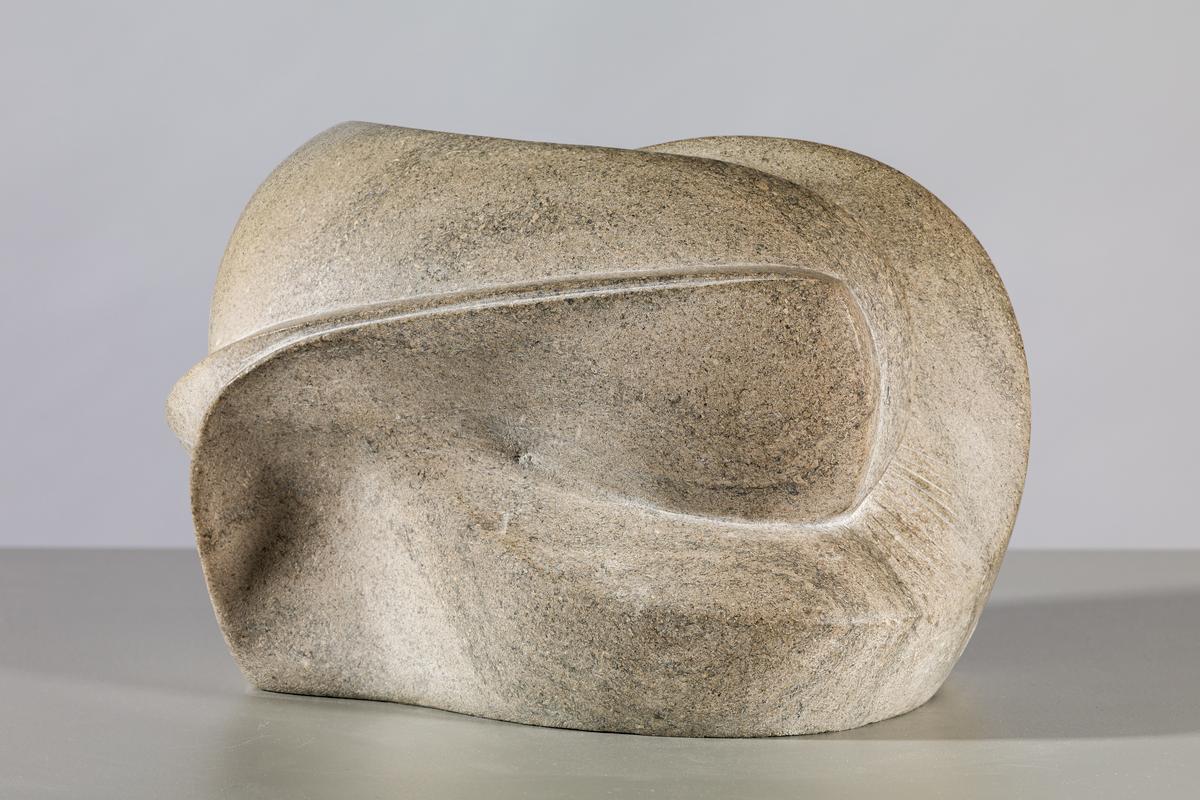
Naum Gabo, Kinetic Stone Carving 1936–44
When Gabo first set down his ideas on constructive sculpture in his ‘Realistic Manifesto’ in 1920, he dismissed the traditional carving of solid mass. Instead, he asserted sculpture’s description of space through construction. However, in the mid–1930s, he modified this view with a number of carved works in which he sought to convey space through a massive object. In works such as this he used the curling edges to articulate the space around the solid stone from which the work was made.
Gallery label, May 2007
4/30
artworks in Modern Conversations
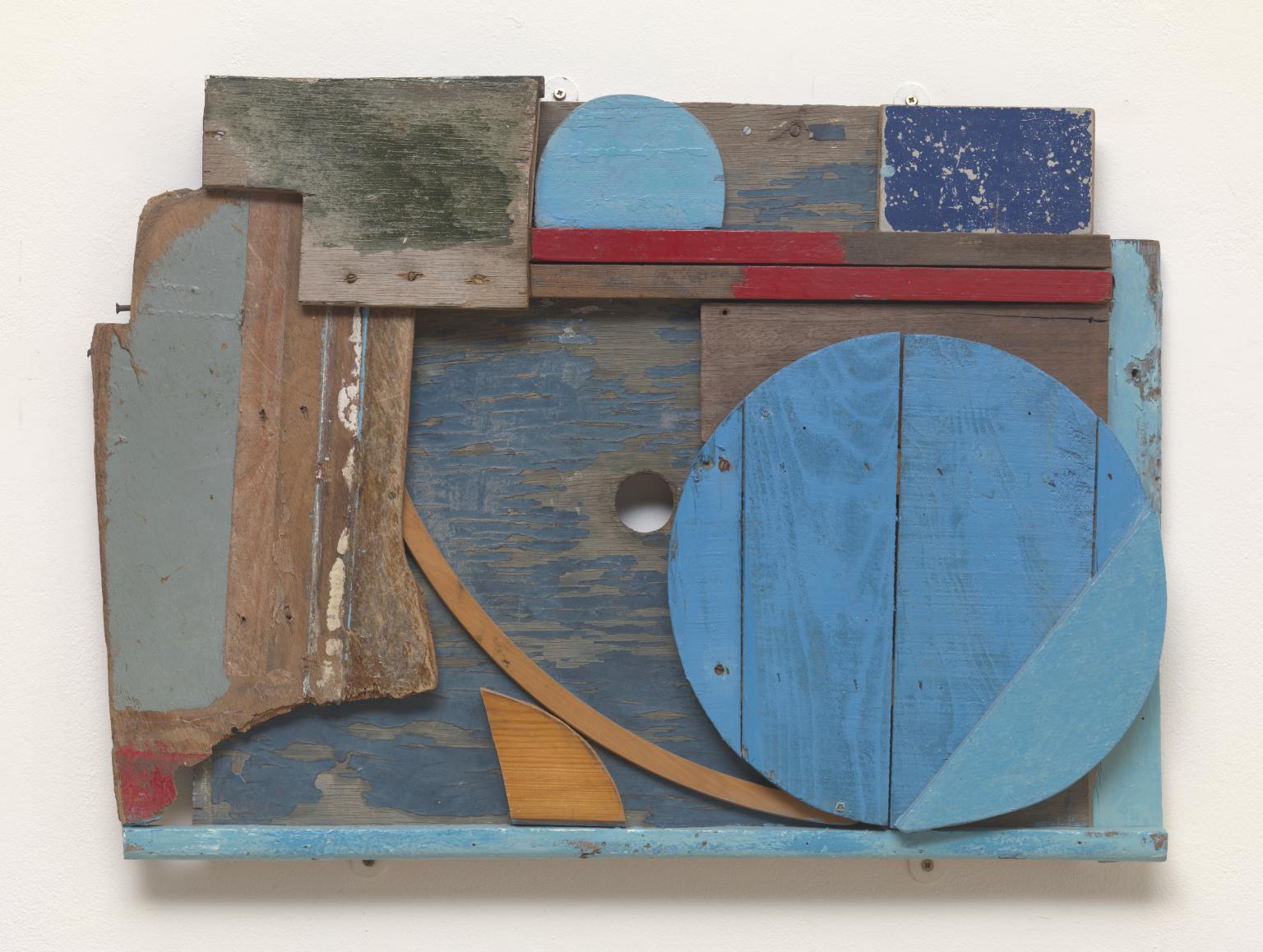
Margaret Mellis, Number Thirty Five 1983
Mellis trained as an artist in Edinburgh and Paris. Between 1939 and 1946 she became part of the community of avant-garde artists living and working in and around St Ives. This included Ben Nicholson and Barbara Hepworth, who lived briefly with Mellis and her husband Adrian Stokes in 1939. Impressed by the work of Nicholson and Naum Gabo she became a constructivist. This work comprises pieces of driftwood, including mahogany, pine and plywood, which she collected from the beach at Southwold, where she moved in 1976. Some of the pieces of wood were already painted when found, others were painted by the artist. She refers to her walk on the beach as a hunt and the driftwood collected as her trophies.
Gallery label, August 2004
5/30
artworks in Modern Conversations
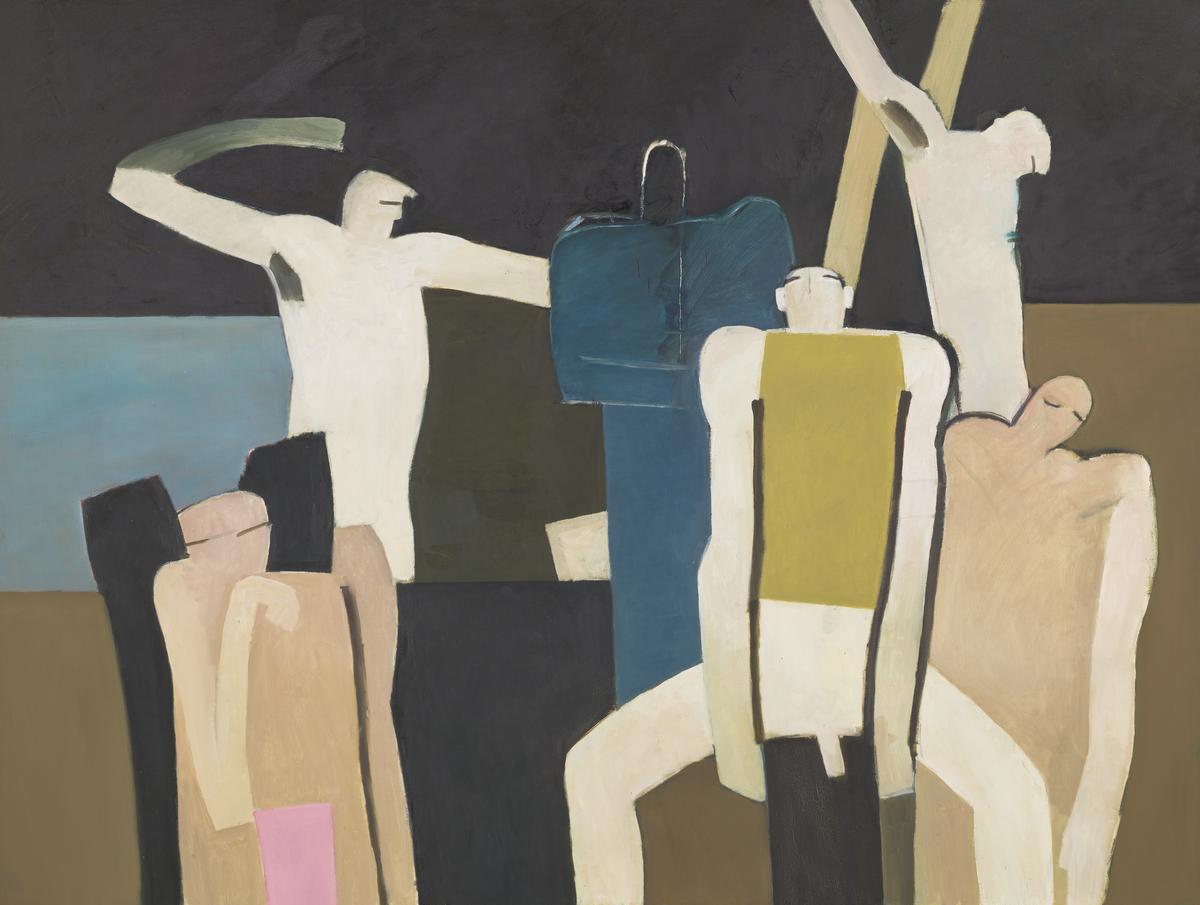
Keith Vaughan, Ninth Assembly of Figures (Eldorado Banal) 1976
6/30
artworks in Modern Conversations

Patrick Heron, Horizontal Stripe Painting : November 1957 - January 1958 1957–8
Heron was a critic and painter who championed an approach to painting that assessed quality according to such formal values as the flatness of a composition and colour. Of his stripe paintings he wrote, ‘The reason why the stripes sufficed ... was precisely that they were so very uncomplicated as shapes ... the emptier the general format was, the more exclusive the concentration upon the experiences of colour itself.’ Heron resisted the total abandoning of subject matter and even such works as this have been seen in relation to landscape, the horizontal bands and colours perhaps suggesting the horizon at sunset.
Gallery label, February 2010
7/30
artworks in Modern Conversations
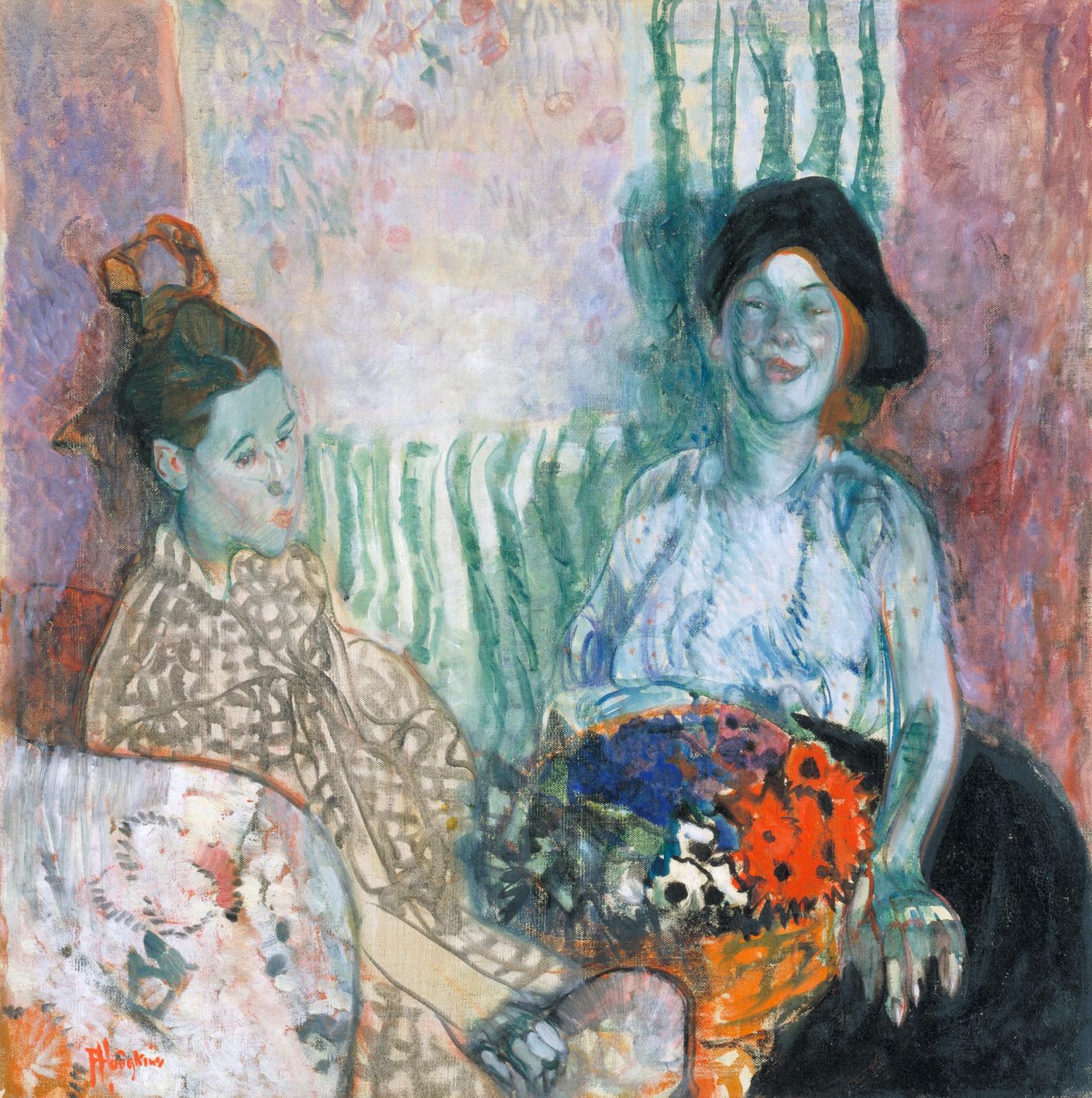
Frances Hodgkins, Loveday and Ann: Two Women with a Basket of Flowers 1915
Frances Hodgkins came to Britain in 1901 from the confined artistic scene of New Zealand. Spending long periods in Cornwall, home to the Newlyn and St Ives Schools, and in Paris, where she taught at the Académie Colarossi, Hodgkins ploughed her own furrow. In typically individualistic style, this portrait combines the mobility of watercolour with the intensity of oil, showcasing the artist's idiosyncratic drawing and quirky sense of colour.
Gallery label, February 2010
8/30
artworks in Modern Conversations
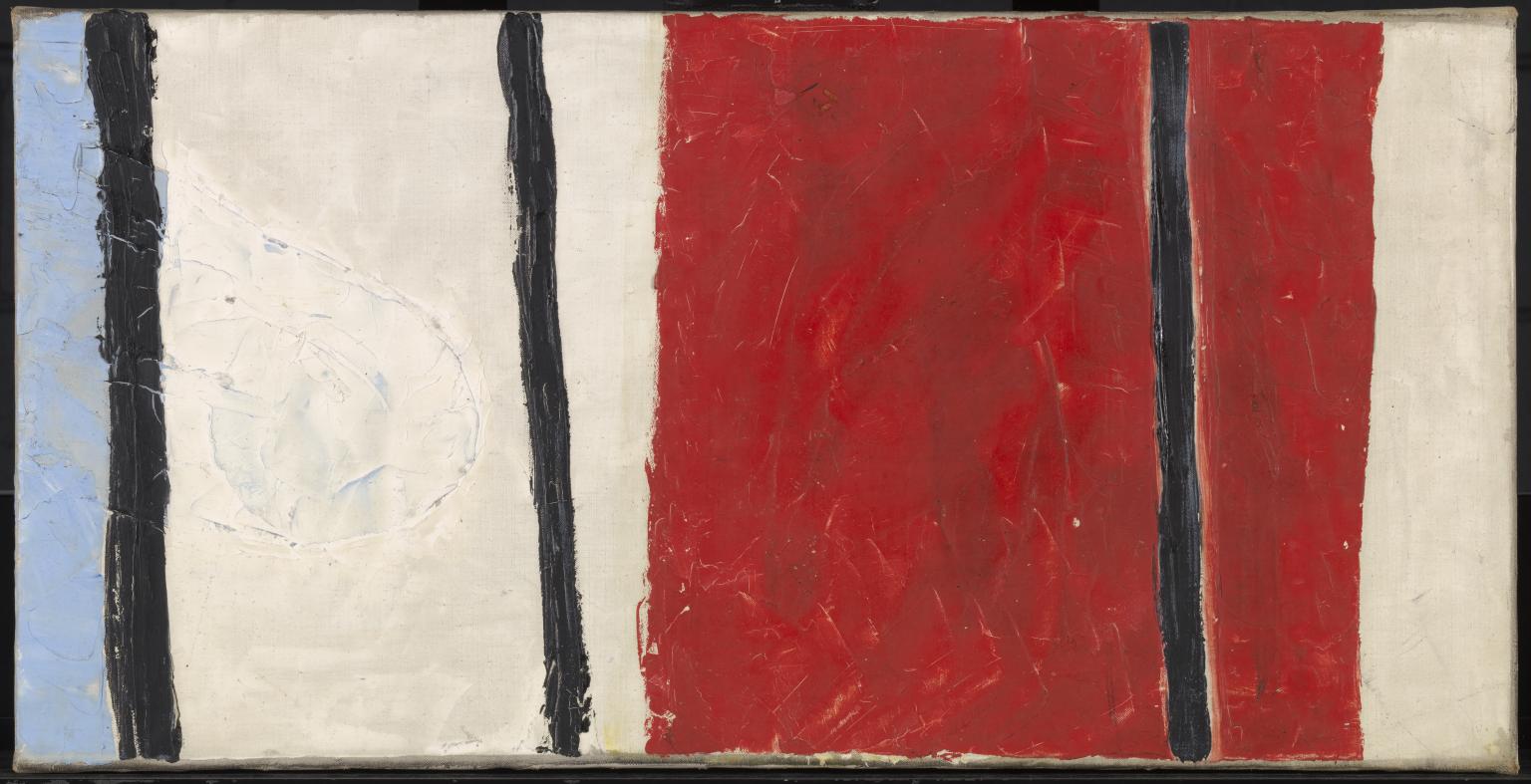
Roger Hilton, Untitled 1953
Although abstract, Hilton's work during the early 1950s has an impressionistic quality inspired by Bonnard's garden paintings. In 1953 Hilton's painting changed dramatically. Following a visit to Amsterdam and the Hague, where he was able to study Mondrian's painting, his ideas regarding space, form and colour were revolutionised. He ceased to regard the painting surface as if it was a window. Instead the forms are built up on it, emphasising its flatness. He also greatly simplified his use of shape and colour, restricting himself, as in this painting, to lines and squares in primary colours and black and white. These 'neo-plastic' works eliminate illusion and emphasise the physical, object-like quality of the painting.
Gallery label, August 2004
9/30
artworks in Modern Conversations
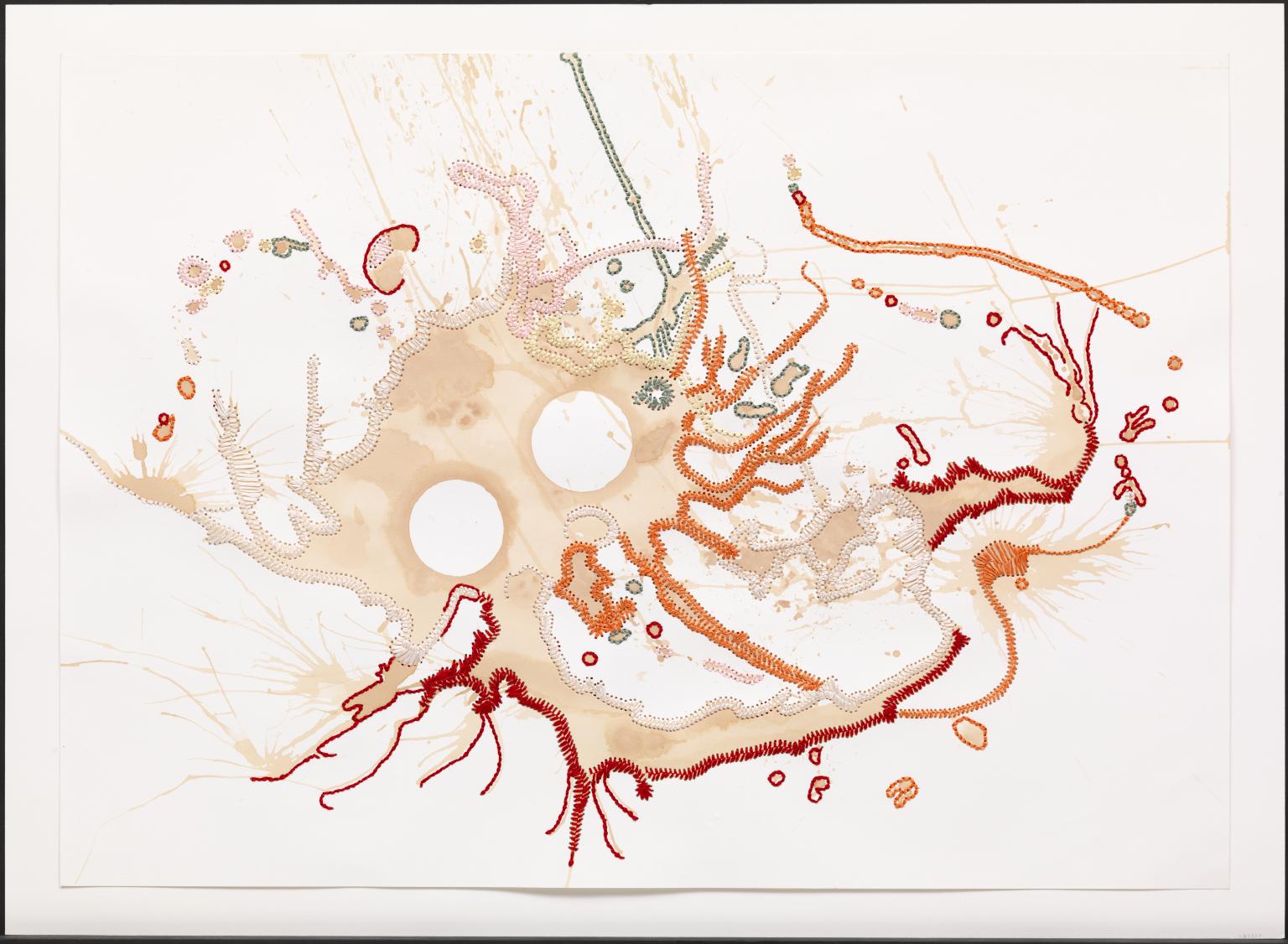
Nicholas Hlobo, Macaleni Iintozomlambo 2010
In Macaleni iintozomlambo 2010 a tea stain on white watercolour paper forms the basis for the drawing. Meandering tentacles of pale brown are emphasised by intense orange and red stitches and further defined and textured by pale coloured ribbon sutures around the tea stain. The shape resembles an underwater creature, with several of the stitched lines ending abruptly, like stunted limbs. The sexual connotations of the forms, fleshy tones and slippery surfaces found in this work are confirmed by its title. Macaleni iintozomlambo refers to a traditional Xhosa belief whereby boys would throw rocks into the river before diving in naked as a sign of respect towards the river, and in order to acknowledge that they are visitors in a space that is not their own. Hlobo has cut and sewn the paper together with his signature ‘baseball’ stitch, which is not just decorative, but also very strong. The cuts in the paper are sharp and clean, determining where the ribbon sutures will be made and how they will overlap. Hlobo always titles his works in Xhosa, an Nguni language widely spoken in South Africa. Attracted to the formal qualities of the grammar, the sounds of the words, and the linguistic flexibility of Xhosa, Hlobo’s use of the language, with all its poetic idioms, proverbs, and double entendres, is as much about defining himself as it is an effort to convey difficult truths and encourage dialogue around homosexuality, male circumcision and other culturally sensitive issues.
10/30
artworks in Modern Conversations

Marc Chagall, Bouquet with Flying Lovers c.1934–47
According to the artist, this picture was begun in the mid-1930s, when he was living in Paris and painting a number of still lifes of flowers. He worked on it at intervals over a period of many years, and the present composition is the final state of three or four. In it two lovers hover behind the dominating vase of flowers, while an angel flies in through the window. To the right is a glimpse of the village of Vitebsk in modern day Belarus, where the artist was born. The painting appears to evoke an atmosphere of happiness, but the artist said that it expressed feelings of loss and nostalgia: his wife Bella had died shortly before the final repainting of the work, and he was passing through a period of mourning.
Gallery label, March 2023
11/30
artworks in Modern Conversations

Rebecca Horn, Untitled (Breast Extension) 1968–9
12/30
artworks in Modern Conversations

Leon Underwood, Casement to Infinity 1930
After studying at the Slade in 1919, Leon Underwood embarked on a prolific career as a sculptor, painter and print maker, producing an eclectic body of work. In 1930 Underwood produced ten paintings which he described as metaphysical works, of which Casement to Infinity is one.
13/30
artworks in Modern Conversations
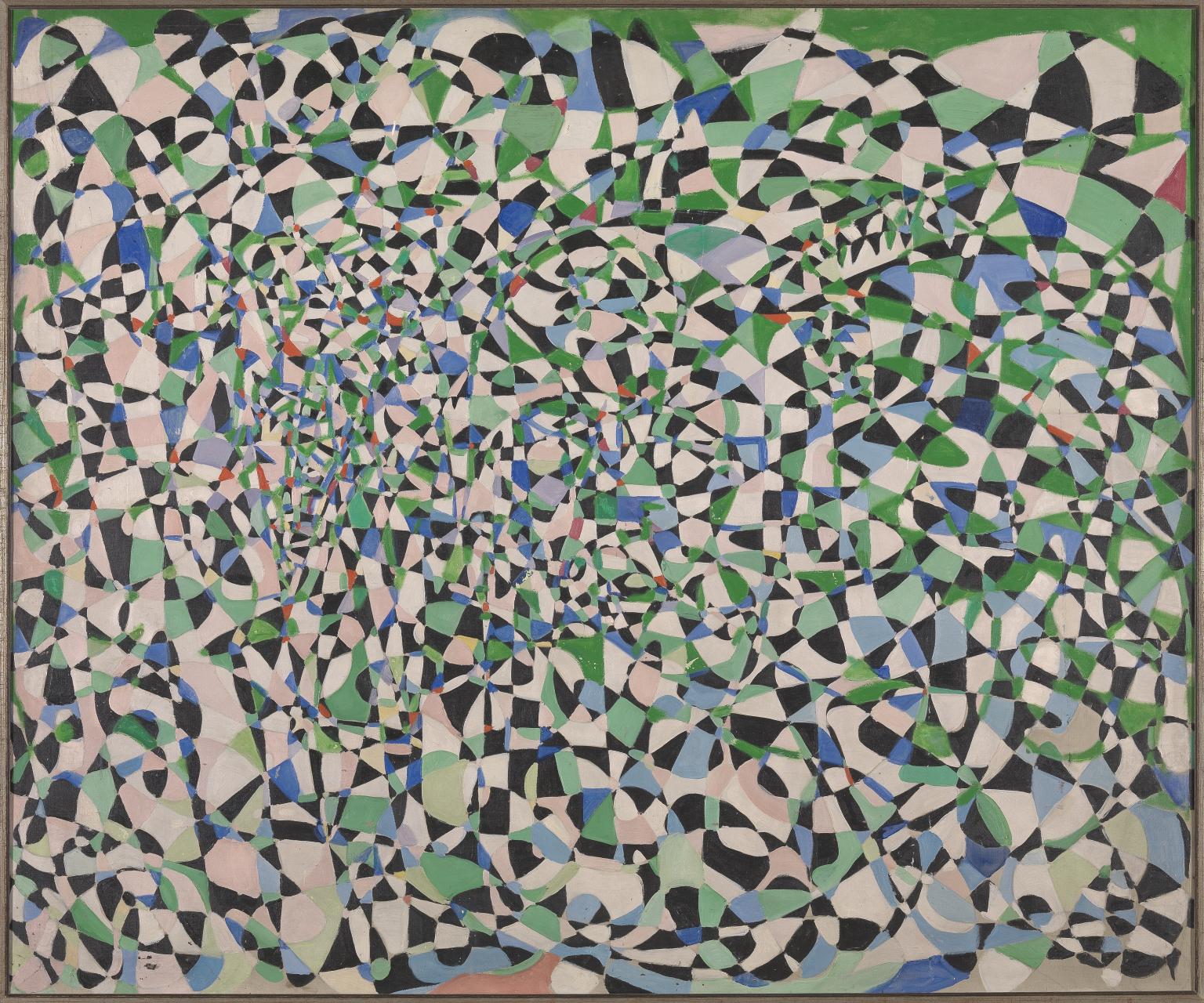
Fahrelnissa Zeid, Untitled c.1950s
Fahrelnissa Zeid used swirling, crossing lines to paint this abstract artwork. After drawing the lines in pencil, she filled in the shapes made between them with black, green, blue and pink. The result is a complex, kaleidoscopic effect. Zeid made the painting when she was living in London in the 1950s. In 1949 she had taken her first transatlantic flight and was captivated by the abstracted perspective of aerial views. She later translated their scale and feeling into the whirling shapes that appear in this painting. A divisionist effect is achieved, whereby individual patches of colour are built up to create an overall composition.
Gallery label, November 2021
14/30
artworks in Modern Conversations

Paul Thek, Untitled (Blue Seascape) 1970
Untitled (Blue Seascape) 1970 is a gouache painting on newsprint of an abstracted seascape. Two thick bands of varying shades of blue have been applied to the upper and lower half of the sheet, though not painted to the very edges of the yellowed paper, to give a simplistic rendering of a sea view. Thinly applied white gouache gives the impression of dissipating stratus cloud.
15/30
artworks in Modern Conversations
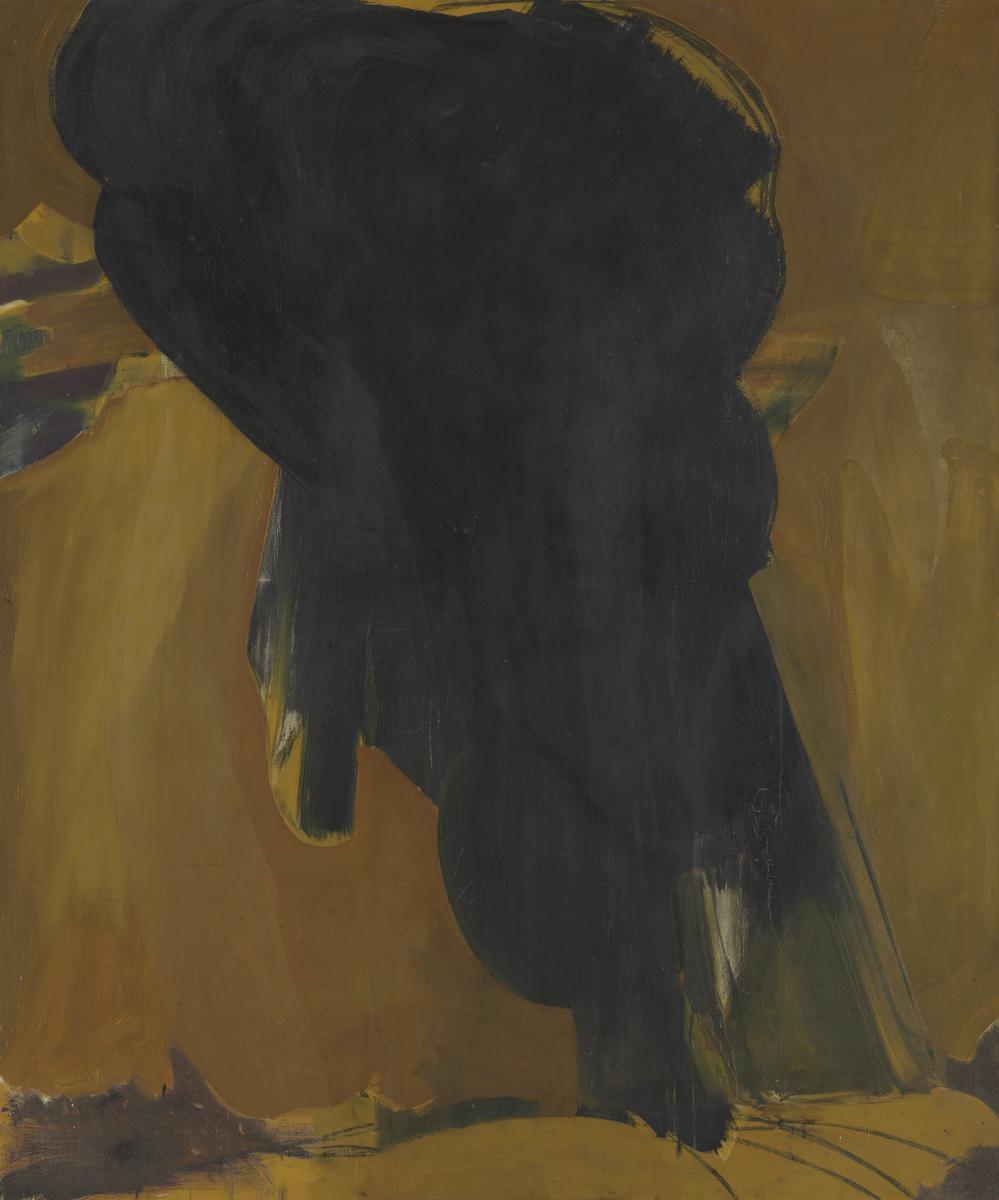
Karl Weschke, Pillar of Smoke 1964
Weschke arrived in Britain as a German prisoner of war and went on to spend forty years living in Cornwall. This painting, based on the burning of the gorse on the moorland above the town of Zennor, shows smoke rising in a threatening, anthropomorphic mass. Painted at the height of the Vietnam War, it evokes the barbarism suffered by successive generations. Weschke drew on his own memories of the Second World War, when the landscape would smoke for days after battle, while his image also suggests the bombing of Dresden and the burning of bodies in the death camps.
Gallery label, March 2024
16/30
artworks in Modern Conversations

Alfred Wallis, P.Z. 11 c.1928
Alfred Wallis was a seaman, ice cream seller and rag-and-bone man before he took up painting in old age. He said he painted ‘what used to be’ and many of his works depict a remembered past.In 1928 he met professional artists Ben Nicholson and Christopher Wood, for whom Wallis’s work represented an instinctive and naïve folk art. As such, Wallis seemed to belong to the tradition of rustic characters common in literature, and represented a link to an apparently timeless English culture.
Gallery label, July 2007
17/30
artworks in Modern Conversations

Nalini Malani, Untitled I 1970/2017
Untitled I is one of three works in Tate’s collection from a series of black and white photograms by the Indian artist Nalini Malani (see also Untitled II [Tate P82089] and Untitled III [Tate P82090]). The three images all date from 1970 and are visually similar in nature: monochromatic geometric studies in light and form. Originally produced as photograms, exposing light-sensitive paper to light without the use of a camera, these works now exist as photographic prints in an edition of ten. Tate’s copies were printed in 2017 and are number four in the edition. The photograms were first exhibited at the Pundole Art Gallery, Bombay in 1970, printed to a similar scale as the later edition.
18/30
artworks in Modern Conversations
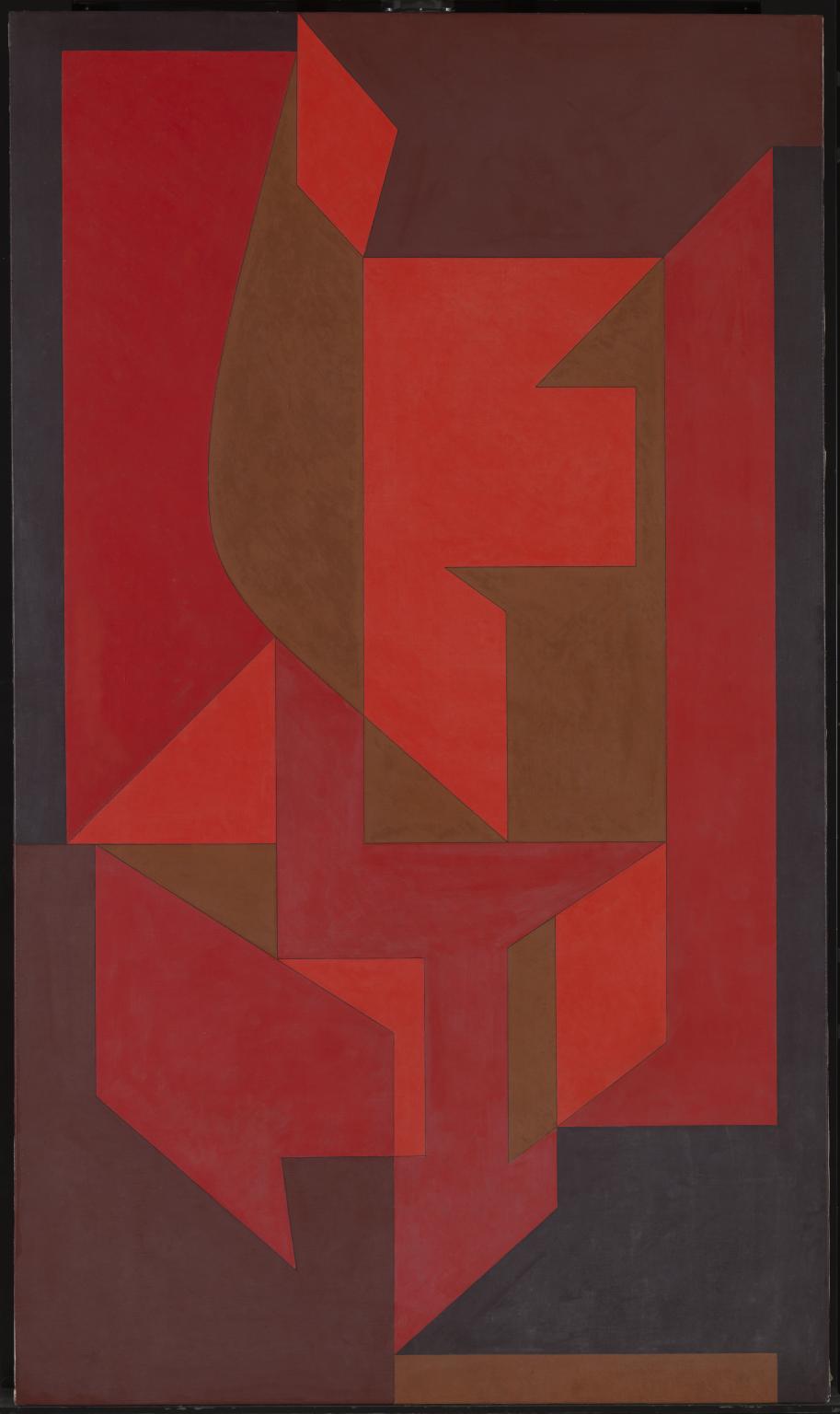
Victor Vasarely, Nives II 1949–58
20/30
artworks in Modern Conversations
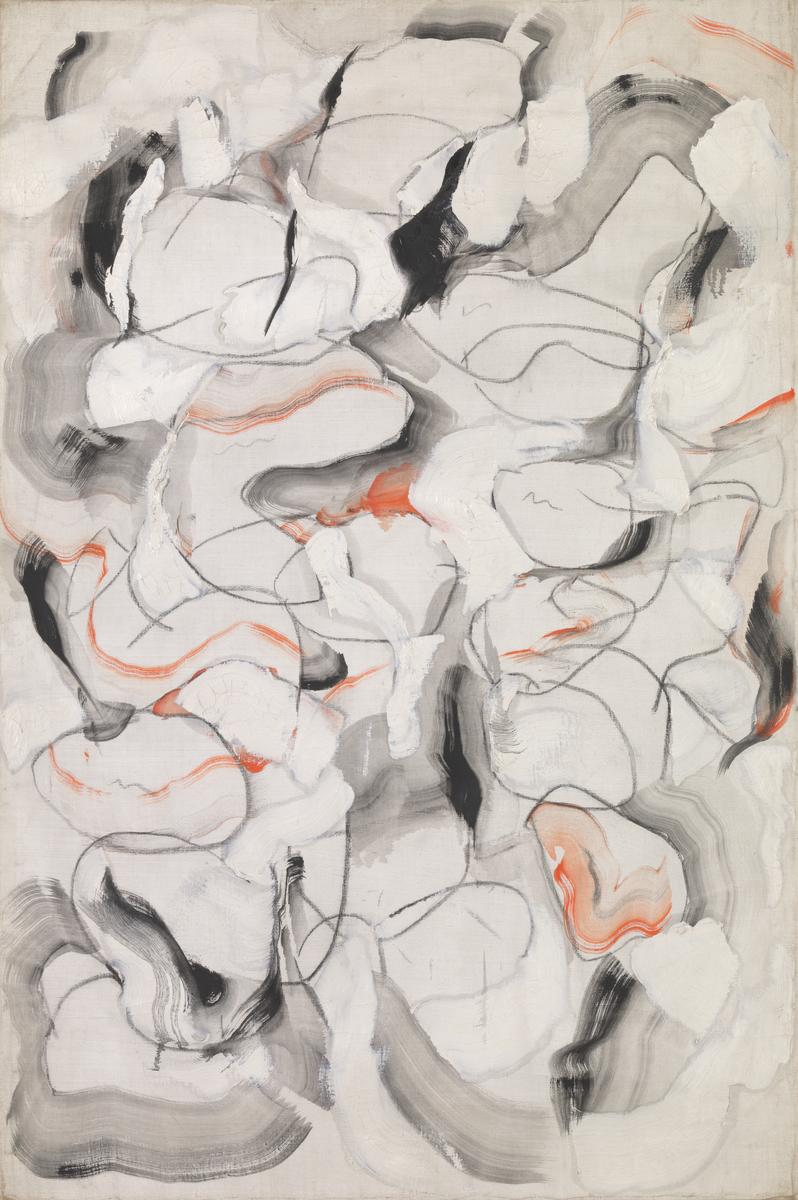
Ida Cadorin Barbarigo, Open Game 1961
Open Game (Jeu ouvert) 1961 is an abstract oil painting in which broad brushstrokes are alternated with thin swirling lines, filling the entire surface. Barbarigo used a limited palette in this kind of abstract canvas. Here, black and white dominate, with occasional red touches, over an off-white background. As the title suggests, this painting conveys a sense of playful experimentation and improvisation; nevertheless, each brushstroke appears to have been executed through controlled gestures, following an internal logic and resulting in a balanced overall composition.
21/30
artworks in Modern Conversations
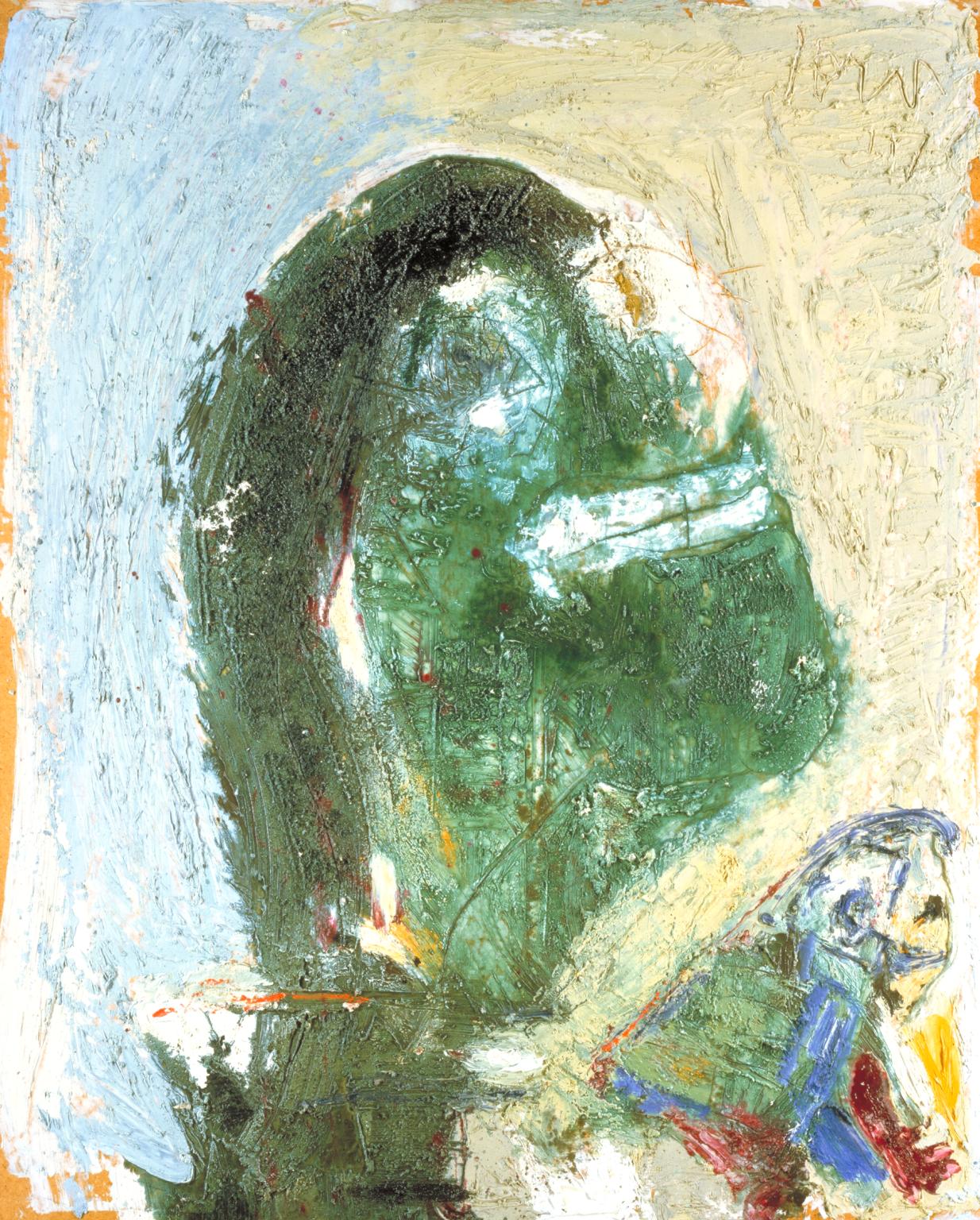
Asger Jorn, The Timid Proud One 1957
Jorn had been a prominent member of CoBrA, a group of northern European artists whose improvisatory approach to painting was intended as a way of liberating their work from repressive bourgeois conventions. Although this painting was made several years after the group disbanded, its child-like style reflects the same principles. The figure embodies some mysterious inner struggle, perhaps reflected in the title. Jorn was a great believer in these kind of opposed dualities. ‘Tension in a work of art is negative-positive: repulsive-attractive, ugly-beautiful. If one of these poles is removed, only boredom is left’, he said.
Gallery label, November 2005
22/30
artworks in Modern Conversations

Ben Nicholson OM, Feb 28-53 (vertical seconds) 1953
This picture exemplifies Nicholson's recurrent practice of using contrasting areas of flat, vibrant colour with a pale ground that has been scrubbed and distressed. The bright patches of red and yellow act as focus points, and perhaps bring to mind late landscapes by J.M.W. Turner, such as those in the next room, which are similarly 'centred' by bright points of the same colours. But Nicholson would primarily have had in mind the grid-like abstracts of Mondrian, whom he greatly admired. There is a remarkable consistency in the way that Nicholson formulated his abstract designs, from his first such exercises in the 1920s (such as the picture displayed elsewhere in this room)though to the 1950s and '60s.
Gallery label, August 2004
23/30
artworks in Modern Conversations

Ben Nicholson OM, 1933 (Profile) 1933
1933 (Profile) is a linocut printed with black ink and is one of a series of works made by Ben Nicholson in 1933 in which the principle motif is a female profile, or a number of profiles. In this version of the print, the central profile is located in a narrow, irregularly shaped field of white in which some traces of the texture of the carved lino has transferred to the paper. The outer field of black fades to the edges in a way comparable to other impressions of the same work. The figure’s hair is described by the curvilinear silhouette of the back of her head and a continuous, sinuous white line typical of Nicholson’s work of this time. She has two eyes, in close proximity, one of which has a pupil described by a spiral that recalls the work of Pablo Picasso (1881–1973). The depiction of the head in profile and the frequent use of incised line to describe that profile also reveal Nicholson’s debt to Picasso. Consistently, the profile in such works as this is that of the sculptor Barbara Hepworth (1903–1975). Nicholson and Hepworth began an intimate relationship in late 1931 and he moved into Hepworth’s studio at 7 The Mall, Hampstead, in March 1932. The linocut was most probably made at that address and three separate impressions of the work appear in a photograph of the studio by Paul Laib, which Nicholson used to illustrate his section of the avant-garde publication Unit One in 1934.
24/30
artworks in Modern Conversations

Anwar Jalal Shemza, Chessmen One 1961
The painting Chessmen One depicts four horizontal rows of black chess pieces which increase in height from the top down. They are set against a lightly textured pale blue background. Each row of chessmen is decorated with sinuous linear detail in different colours, red on the top row, blue on the second, cream on the third and green on the fourth. Each horizontal division between the rows is painted in one of these colours. The chessmen are depicted in a schematic, near abstract frontal view that emphasises the flatness and two-dimensional surface of the canvas.
25/30
artworks in Modern Conversations

Lubaina Himid CBE RA, Ankledeep 1991
Ankledeep 1991 is a large painting by the British artist Lubaina Himid depicting two women standing behind a curving black banner. The banner covers most of the middle sections of the women’s bodies, so that the only parts of them visible are their heads, shoulders, legs, and, in the case of the woman on the right, her left arm. The women, who are both black and have short hair, look away to their left with expressionless faces. The figure on the right drops from her hand small scraps of blue-green paper covered with markings. Behind the women, at the level of their heads and shoulders, is a large block of yellow with horizontal, vertical and diagonal stripes within it in a slightly lighter yellow tone. Above the yellow area is a horizontal section of dark blue, and at the bottom, by the women’s bare legs and feet, are thin strips reminiscent of grass or straw but rendered in white, blue and grey paint.
26/30
artworks in Modern Conversations

David Hockney, In an Old Book 1966
Hockney creates scenes of touching intimacy in these simple etchings depicting gay love. They were made to illustrate a series of erotic poems by the Greek-Egyptian writer C. P. Cavafy. Hockney greatly admired Cavafy’s ability to write openly and unapologetically about gay relationships. Many of Hockney’s illustrations are based on intimate sketches of his friends. Others were drawn from photographs. The backgrounds are based on a trip Hockney took to Beirut, Lebanon in 1966. He felt that Beirut’s cosmopolitan atmosphere made it the contemporary equivalent of Cavafy’s native Alexandria, Egypt.
Gallery label, July 2021
27/30
artworks in Modern Conversations

Henri Matisse, Trivaux Pond 1916 or 1917
The purchase of a car in 1917 allowed Matisse to take all his painting equipment into the woods. He made several works at Trivaux Pond, in the landscaped park of the Bois de Meudon on the outskirts of Paris. Here, the verticals of the trees establish a strong rhythm. Matisse treats the surface of the pond loosely, simplifying the forms and merging reflections with their surroundings. Although within the immediate environs of the city, Matisse imbued the park with an imagined ruralism.
Gallery label, August 2004
28/30
artworks in Modern Conversations
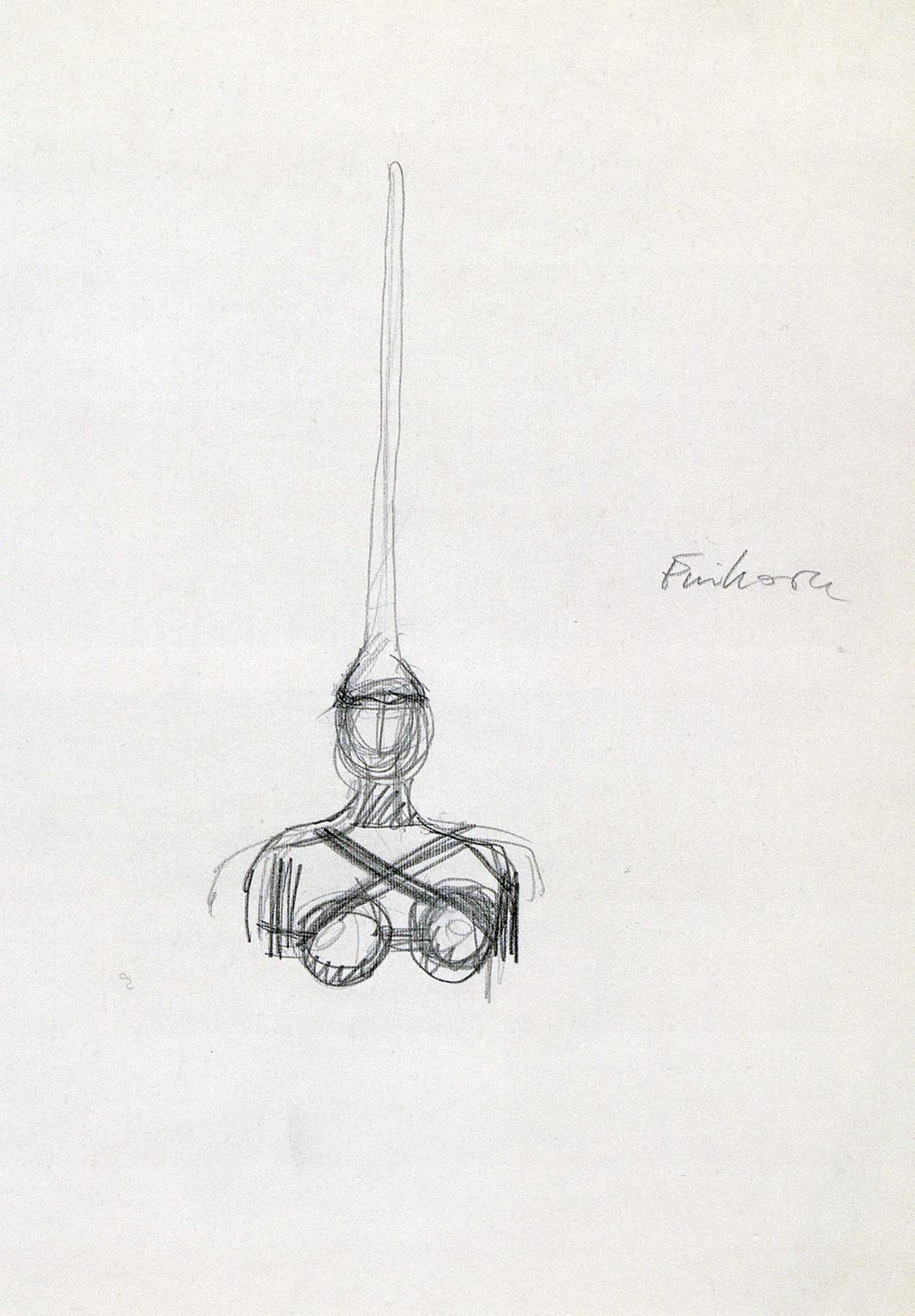
Rebecca Horn, Unicorn 1968–9
29/30
artworks in Modern Conversations
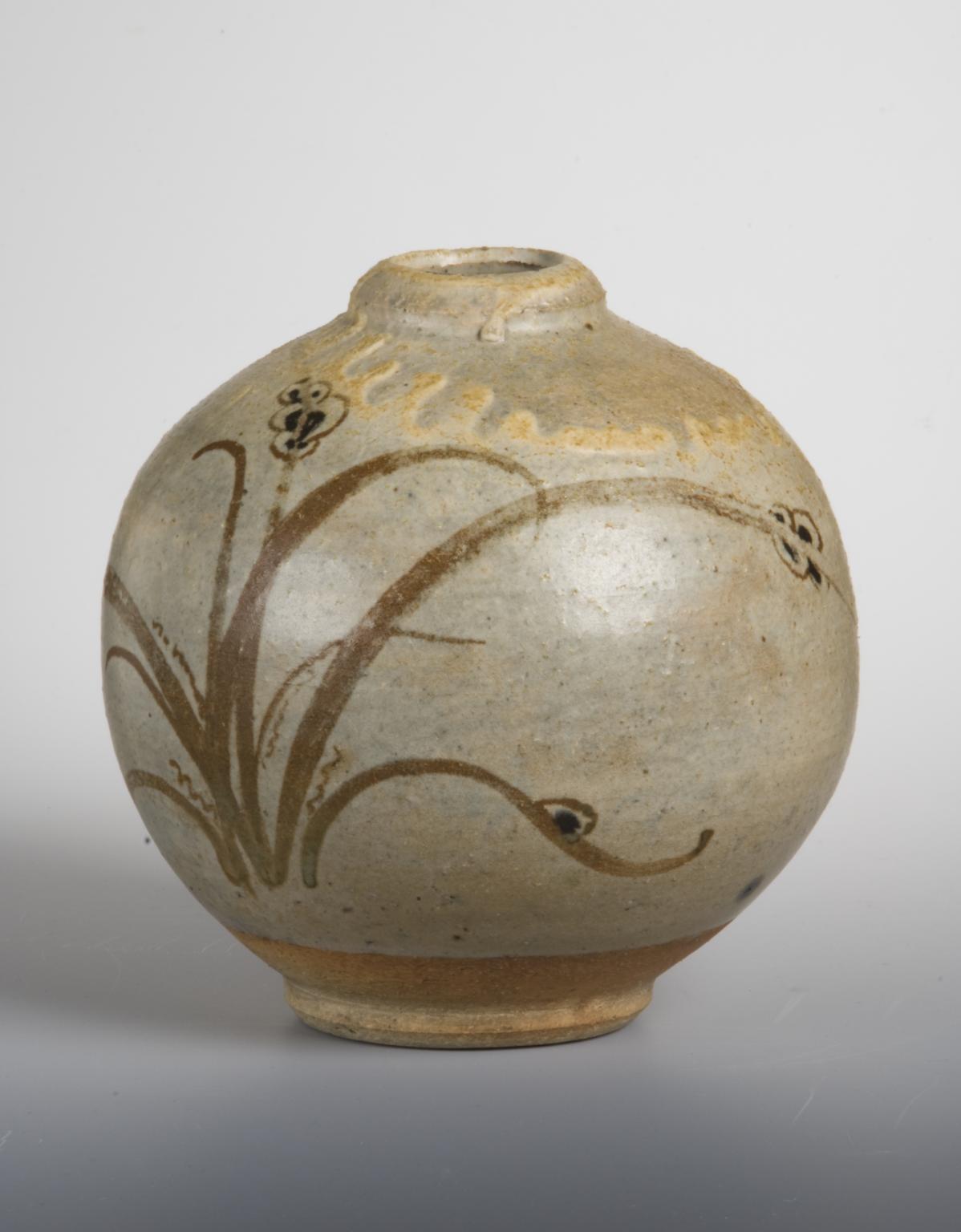
Bernard Leach, Spherical Vase c.1927
The 1920s saw a revival in traditional crafts. The potter Bernard Leach mixed a revival of pre-industrial English designs with similarly traditional styles from Japan, where he had studied. He exhibited his pots alongside painters like Ben and Winifred Nicholson. A resurgence in craft practice in painting and sculpture, as well as pottery and other crafts, had its roots in the anti-industrialism of the 19th-century Arts and Crafts movement. It was given more urgency in the wake of the mechanised destruction of the First World War.
Gallery label, September 2016
30/30
artworks in Modern Conversations
Art in this room
Denis Mitchell
Turning Form
1959
Cecil Collins
The Promise
1936
Rebecca Horn
Performances II
1973
Naum Gabo
Kinetic Stone Carving
1936–44
Margaret Mellis
Number Thirty Five
1983
Keith Vaughan
Ninth Assembly of Figures (Eldorado Banal)
1976
You've viewed 6/30 artworks
You've viewed 30/30 artworks